Light Filtering Shades vs Sheer Shades: Which Is Right for Your Home?
Choosing between light filtering shades vs sheer shades may seem simple at first, but the right choice can significantly affect privacy, natural light, comfort, and the overall design of your home. For luxury homes throughout Southern California, especially in Thousand Oaks, Malibu, Camarillo, Westlake Village, and Agoura Hills, window shades are not just decorative. They help shape the way each room feels and functions throughout the day.
Both sheer shades and light filtering shades soften sunlight, create visual comfort, and add elegance to a room. However, they perform differently. One offers a more open, airy effect, while the other provides more privacy and control. Understanding the distinction can help you choose the right option for each space in your home.
Understanding Light Filtering Shades vs Sheer Shades
The main difference between light filtering shades vs sheer shades comes down to fabric density, privacy, and light control.
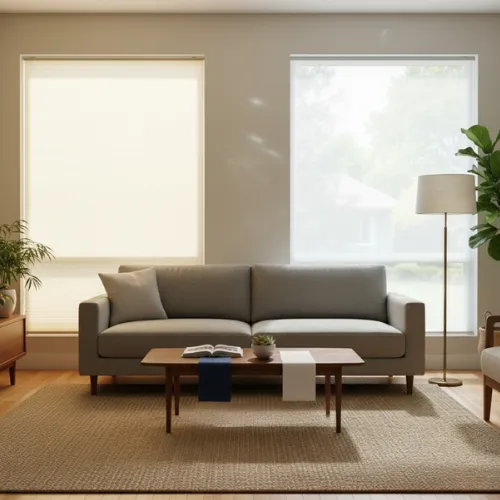
Sheer shades are made with soft, translucent fabrics that gently diffuse sunlight. They create a bright, graceful glow while maintaining an open feeling. They are ideal for spaces where ambiance and views matter most.
Light filtering shades, on the other hand, are made with more substantial fabrics that allow daylight to enter while obscuring visibility from outside. They offer a stronger balance between natural light and privacy.
For homeowners exploring designer shades, both options can be customized to suit the room, architecture, and lifestyle.
The Key Differences Between Light-Filtering Shades and Sheer Shades
When comparing light filtering shades vs sheer shades, the biggest differences are privacy, light control, and overall ambiance.
Sheer shades gently diffuse sunlight through translucent fabrics, creating a bright, airy feel while preserving views. They are ideal for living rooms, dining rooms, and other spaces where natural light is a design feature.
Light filtering shades allow daylight to enter while providing more privacy and reducing glare. Their denser fabrics create a softer, more controlled environment, making them a popular choice for bedrooms, home offices, and street-facing rooms.
In terms of performance, light filtering shades typically offer better privacy and sun protection, while sheer shades excel at creating an open, elegant atmosphere. Both can be customized with premium fabrics, motorization, and layered treatments to complement luxury Southern California homes.
The right choice ultimately depends on how you use the space and the balance you want between natural light, privacy, and comfort.
Sheer Shades: Softness, Light, and Elegant Openness
Sheer shades are often chosen for their refined, luminous quality. They filter sunlight through delicate fabric, reducing harsh brightness while preserving an open, airy atmosphere.
In a Malibu living room with ocean views, sheer shades can soften the light without making the room feel closed off. In a Westlake Village dining room, they can add movement and elegance while allowing natural light to brighten the space.
Sheer shades work beautifully in:
Living rooms
Dining rooms
Breakfast areas
Sunrooms
View-focused spaces
They are especially effective when privacy is not the main concern. However, at night, when interior lights are on, sheer fabrics typically offer limited privacy.
Light Filtering Shades: Privacy with a Gentle Glow
Light filtering shades are designed for homeowners who want daylight without feeling exposed. Their denser fabric softens sunlight while reducing visibility from the outside.
These shades are especially useful in bedrooms, home offices, nurseries, and street-facing rooms. In Thousand Oaks or Camarillo homes with bright afternoon sun, they can help reduce glare while maintaining a warm, comfortable atmosphere.
For homeowners considering custom window shades, light filtering options offer a polished balance of softness and practicality.
Privacy: Which Option Performs Better?
Privacy is one of the biggest differences between the two.
Sheer shades provide a beautiful daytime glow, but they are not ideal for rooms where privacy is essential. They may work well in second-story living rooms or spaces that do not face neighbors or streets.
Light filtering shades provide better privacy because the fabric obscures the view into the home. They are a stronger choice for bedrooms, bathrooms, home offices, and front-facing windows.
For homes in busier neighborhoods or near walking paths, light filtering shades are usually the more practical choice.
Light Control and Glare Reduction
Both options soften sunlight, but light filtering shades usually offer better glare control.
Sheer shades scatter light beautifully, making them ideal for spaces where you want brightness and softness. However, they may not be enough for west-facing rooms or spaces with intense afternoon sun.
Light filtering shades are better suited for controlling glare on screens, protecting furniture from harsh exposure, and improving comfort throughout the day. They can also be paired with motorized window treatments for effortless control in rooms with large windows or sliding glass doors.
Energy Efficiency and Interior Comfort
Window shades can influence indoor comfort, especially in Southern California homes with strong sunlight and large glass areas.
Sheer shades offer mild sun diffusion, but light filtering shades can provide better heat reduction depending on the fabric. Heavier weaves and performance textiles can help reduce solar heat gain, making a room feel more comfortable during warmer months.
For open-concept homes in Agoura Hills or Camarillo, light filtering shades can be especially useful in sunny living areas where comfort and brightness both matter.
Luxury Design Applications
Fabric Selection
Fabric choice plays a major role in how luxury shades perform and look. Sheer fabrics create softness and movement, while light filtering fabrics offer more structure and privacy.
Neutral tones such as ivory, linen, sand, warm white, and soft taupe often age well and pair beautifully with high-end interiors.
Layering with Drapery
Both options can be layered with custom drapery for a more complete, designer-level finish.
Sheer shades paired with drapery create softness and visual depth. Light filtering shades paired with drapery offer added privacy, warmth, and light control.
Motorization
Motorization is especially valuable for large windows, tall openings, and sliding doors. It allows homeowners to adjust light throughout the day without interrupting the room’s design.
This is a refined solution for expansive glass doors in Malibu, bright home offices in Thousand Oaks, and primary suites in Westlake Village.
Best Room Applications
Living Rooms
For living rooms, sheer shades are ideal when the goal is softness, natural light, and openness. Light filtering shades are better when glare, privacy, or heat is a concern.
Dining Rooms
Dining rooms often benefit from sheer shades because they create an elegant glow. For formal dining rooms with afternoon sun, light filtering shades may offer more comfort.
Bedrooms
Bedrooms usually need more privacy. Light filtering shades are often the better daytime solution, especially when layered with blackout drapery.
Home Offices
For home offices, light filtering shades are usually the stronger choice. They help reduce screen glare while keeping the room bright and comfortable.
Which Shade Is Right for Your Home?
The best choice depends on how each room is used.
Choose sheer shades if you want:
A soft, airy look
Filtered natural light
A more open feeling
A refined decorative effect
Choose light filtering shades if you want:
More privacy
Better glare control
Improved comfort
A clean, tailored appearance
Many homes benefit from using both. Sheer shades may be perfect for public spaces, while light filtering shades are better suited for private rooms.
Conclusion
When comparing light filtering shades vs sheer shades, the best choice depends on your priorities: openness, privacy, light control, comfort, and design style. Both can be beautiful, but they serve different purposes.
For Southern California homeowners seeking window treatments in Malibu, window treatments in Thousand Oaks, window treatments in Camarillo, and surrounding communities, custom design guidance can make the decision clearer and more tailored to your home.
Window Treatments by Grace can help you compare fabrics, privacy levels, layering options, and motorized solutions with care and precision. To begin creating designer window treatments that feel elegant and function beautifully, schedule a consultation today.
