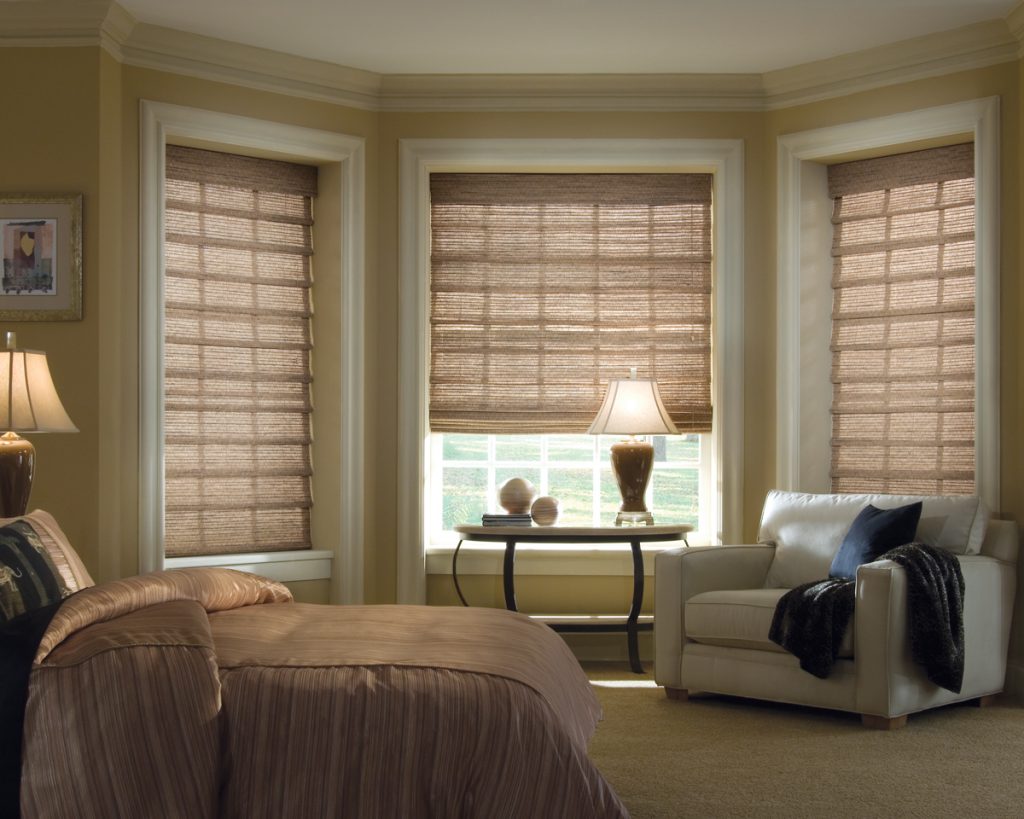
Before You Buy New Décor, Fix Your Window Treatments First
You've rearranged the furniture. You've added throw pillows, layered rugs, and swapped out the artwork twice. Yet something still feels off, the room just won't come together, no matter what you do.
Here's what most people miss: window treatments.
Before you spend another dollar on décor, look up. Your windows are one of the most powerful design elements in any room, and bare or poorly dressed windows are often the silent culprit behind spaces that feel cold, flat, or unfinished. In my years as an interior designer, custom window treatments consistently rank as the single highest-impact change I can make in a client's home.
Why Your Room Still Feels Unfinished
Rooms feel incomplete for a reason, and it's rarely about having too little stuff. It's almost always about proportion, balance, and visual weight.
Windows without treatments are like a painting without a frame. They leave walls feeling incomplete, interrupt the natural flow of a room, and draw attention to harsh edges rather than beautiful moments. On a practical level, bare windows also create problems with glare, privacy, and temperature regulation that even the most carefully curated furniture arrangement can't fix.
When a room has the right window treatments, something shifts. The ceiling feels taller. The light feels warmer. The entire space feels intentional. That's not an accident, it's the result of deliberate design choices that work quietly in the background.
How Window Treatments Transform a Room
The impact of window treatments goes far beyond covering glass. Here's what they're actually doing for your space:
Light Control Natural light is one of the most sought-after features in any home, but unfiltered light can wash out color, create glare on screens, and fade furniture over time. The right window treatment softens and directs light, diffusing harsh afternoon sun through sheer linen panels or filtering morning brightness through woven shades, giving you beautiful illumination without sacrifice.
Privacy Without Sacrifice One of the most common complaints I hear from clients is that they feel like they're living in a fishbowl. Window treatments create privacy on your terms, whether that's full blackout for a bedroom, layered sheers for a street-facing living room, or light-filtering shades that let you see out without letting others see in.
Height and Proportion This is the trick most people don't know: mounting curtain rods close to the ceiling, even in rooms with standard eight-foot ceilings, makes the entire room feel taller and more grand. Panels that skim the floor anchor the space and give it a polished, finished quality that no amount of accessories can replicate.
Texture and Warmth Fabric brings softness to spaces that might otherwise feel hard or sterile. Whether it's the gentle movement of linen drapes, the organic feel of woven grass shades, or the structured elegance of Roman shades in a textured cotton, fabric at the window adds tactile dimension that a room needs to feel truly layered and lived-in.
Visual Framing Well-chosen window treatments frame your view and create a sense of composition in the room. They're the design equivalent of a mat around a photograph, making everything within the space look more intentional.
Popular Window Treatment Options to Consider
Every room is different, and there's no one-size-fits-all solution when it comes to window treatments. Here's a guide to the most popular options and where they work best:
Sheer Drapes
Sheer panels are one of the most versatile tools in a designer's toolkit. They filter light beautifully, add softness and movement, and create a romantic, airy quality in a room without making it feel closed off. Sheers work especially well layered beneath heavier drapes for a look that transitions from open and bright during the day to cozy and private at night.
Best for: Living rooms, dining rooms, bedrooms, and sunrooms.
Roman Shades
Roman shades offer a clean, structured look that works in both traditional and contemporary spaces. They stack neatly when raised and lay flat when lowered, making them ideal for spaces where you want to preserve a view when the shade is up. Available in hundreds of fabrics, from crisp cottons to soft linens, they're endlessly customizable.
Best for: Kitchens, home offices, bedrooms, and smaller windows.
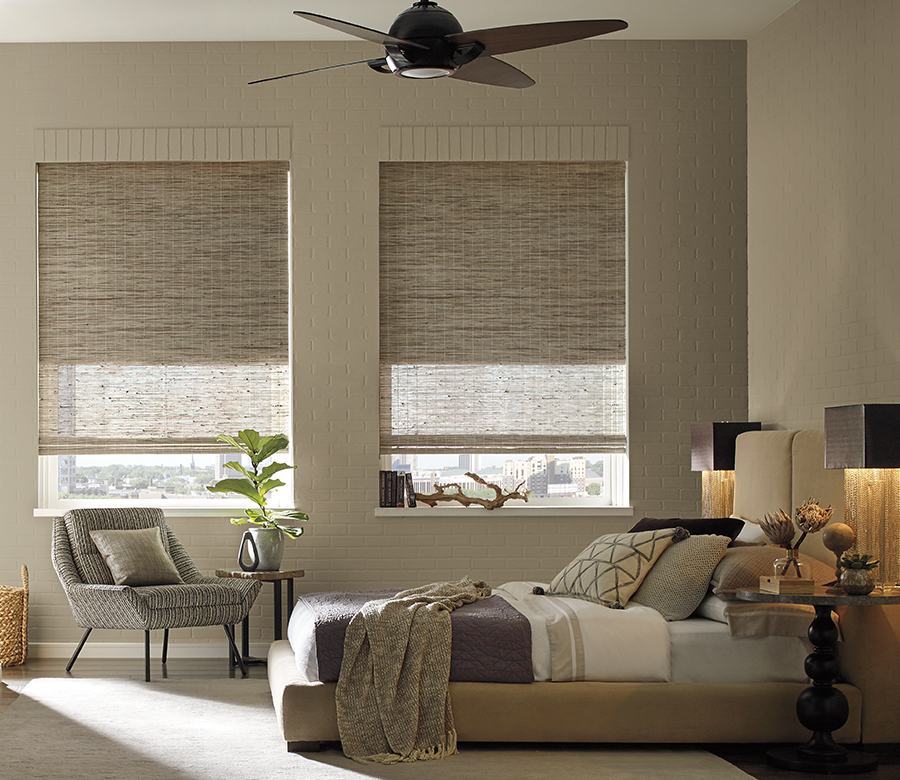
Woven Shades
Woven wood or grass shades bring natural texture and organic warmth to a room that few other window treatments can match. They're particularly effective in spaces that lean toward a bohemian, coastal, or nature-inspired aesthetic. Keep in mind that woven shades are not blackout on their own, so you'll want to pair them with a liner or layered drape for rooms that need full privacy or light control.
Best for: Casual living rooms, bedrooms, sunrooms, eclectic or relaxed spaces.
Drapery Panels
Floor-to-ceiling drapery panels are the most dramatic and transformative option available. They have the power to completely change the scale and mood of a room, making small spaces feel expansive and large rooms feel intimate and warm. Choose a fabric with weight (think velvet, linen, or cotton-silk blends) and hang them as high and as wide as possible for maximum impact.
Best for: Living rooms, formal dining rooms, primary bedrooms, statement spaces.
Shutters and Blinds
For rooms that require maximum light control and a clean, architectural look, shutters or wood blinds are a strong choice. Plantation shutters in particular add a timeless quality and significant resale value. They work well in homes with a traditional, transitional, or coastal aesthetic.
Best for: Bedrooms, bathrooms, home offices, rooms with deep sill space.
How to Choose the Right Window Treatments for Your Space
Choosing the wrong window treatment is easy. Choosing the right one requires thinking through a few key factors:
Consider the room's function first. A bedroom has different needs than a kitchen. Prioritize light control and privacy in bedrooms, easy cleaning in kitchens and dining rooms, and atmosphere in living spaces.
Assess your natural light. North-facing rooms often need sheer or lighter fabrics to maximize limited light. South and west-facing rooms may need more control over brightness and heat.
Think about ceiling height. Low ceilings benefit enormously from curtains hung high and wide, one of the most impactful tricks in the designer's playbook. High ceilings can handle longer, heavier drapes without the space feeling weighed down.
Match the palette, not just the furniture. Window treatments don't need to match your sofa. They need to work within the room's overall color story. Neutrals are the safest choice for longevity, but don't be afraid of a moment of pattern or color at the window if the rest of the room can support it.
Layer for flexibility. The most functional and beautiful window treatments are often layered, a sheer panel behind a heavier drape, or a shade paired with side panels. Layering gives you flexibility throughout the day and adds visual richness.
Factor in fabric care. Some fabrics require dry cleaning; others can be machine-washed. In high-humidity rooms or homes with kids and pets, durability and cleanability matter as much as aesthetics.
Not sure where to start? A design consultation is the fastest way to narrow your options for your specific space and budget.
Common Window Treatment Mistakes to Avoid
Even with the best intentions, these mistakes can undermine an otherwise well-designed room:
Hanging curtains too low. This is the number one mistake I see. Curtain rods mounted just above the window frame keep ceilings visually low and the space feeling cramped. Mount rods four to six inches below the ceiling (or crown molding) for the most elegant result.
Choosing panels that are too short. Curtains that hover above the floor look unintentional. Panels should either kiss the floor lightly, pool slightly, or break at the baseboard, but they should never dangle awkwardly in between.
Underestimating width. Curtain panels that are too narrow bunch and pucker rather than draping elegantly. As a rule, each window should have panels totaling two to two-and-a-half times the width of the window for a full, luxurious look.
Ignoring the view when raised. If you're using shades or blinds, always check how the treatment looks when it's fully raised. Bulky stacks of fabric mid-window can obstruct the view and look cluttered.
Skipping the lining. Unlined curtains often look insubstantial and fade quickly. A simple lining adds body, improves light control, and dramatically extends the life of your investment.
When to Work With a Window Treatment Professional
Window treatments are an investment in your comfort, your privacy, and the long-term beauty of your home. Off-the-shelf options from big-box retailers have their place, but they rarely account for unusual window sizes, non-standard ceiling heights, or the specific design goals of a carefully planned space.
Working with an interior designer who specializes in window treatments means getting guidance on fabric selection, proper hardware, and correct installation, the three things that most often go wrong in a DIY approach. It also means access to trade-only fabrics and resources that aren't available at retail, and a finished result that is genuinely tailored to your home.
You can explore some of my recent room transformations to see what a difference the right window treatment makes.
If your room still feels unfinished despite your best efforts, I'd encourage you to start with a design consultation focused specifically on your windows. In nearly every case, it's the change that makes everything else finally click into place.
Schedule a complimentary design consultation
Frequently Asked Questions
Why do window treatments make a room feel finished? Window treatments frame the windows, soften natural light, add texture, and create visual balance between the upper and lower portions of a room. Without them, windows create blank, hard-edged voids that interrupt the overall composition of the space.
What are the best window treatments for a living room? It depends on your priorities. For a layered, flexible look, combining sheer panels with heavier drapery is often the most functional and elegant solution. Roman shades work well in more casual or contemporary spaces. The key is choosing a treatment that addresses your light control and privacy needs while complementing the style of the room.
Should curtains touch the floor? In most living rooms, bedrooms, and formal spaces, yes. Floor-length panels that just skim or lightly pool on the floor create a polished, intentional look. The exception is functional spaces like kitchens or bathrooms, where shorter treatments are more practical.
Are woven shades good for privacy? Woven shades filter light beautifully and add wonderful natural texture, but they are not inherently private. For rooms where privacy matters, pair them with a fabric liner or layer them with side drape panels.
Should I choose custom window treatments over ready-made? For windows with non-standard sizing, unusual configurations, or rooms where the design needs to be exactly right, custom is almost always worth the investment. Custom treatments offer a superior fit, access to a much wider range of fabrics, and a finished quality that ready-made options rarely match.
How do I know if my current window treatments are wrong for the room? A few telltale signs: the curtains look too short or too narrow, the room feels cold or uninviting despite good furniture, you feel like you lack privacy, or you've tried multiple décor approaches and nothing seems to stick. Nine times out of ten, the windows are the answer.
Ready to finally finish your room? Let's talk about what's possible. Book your consultation today
