

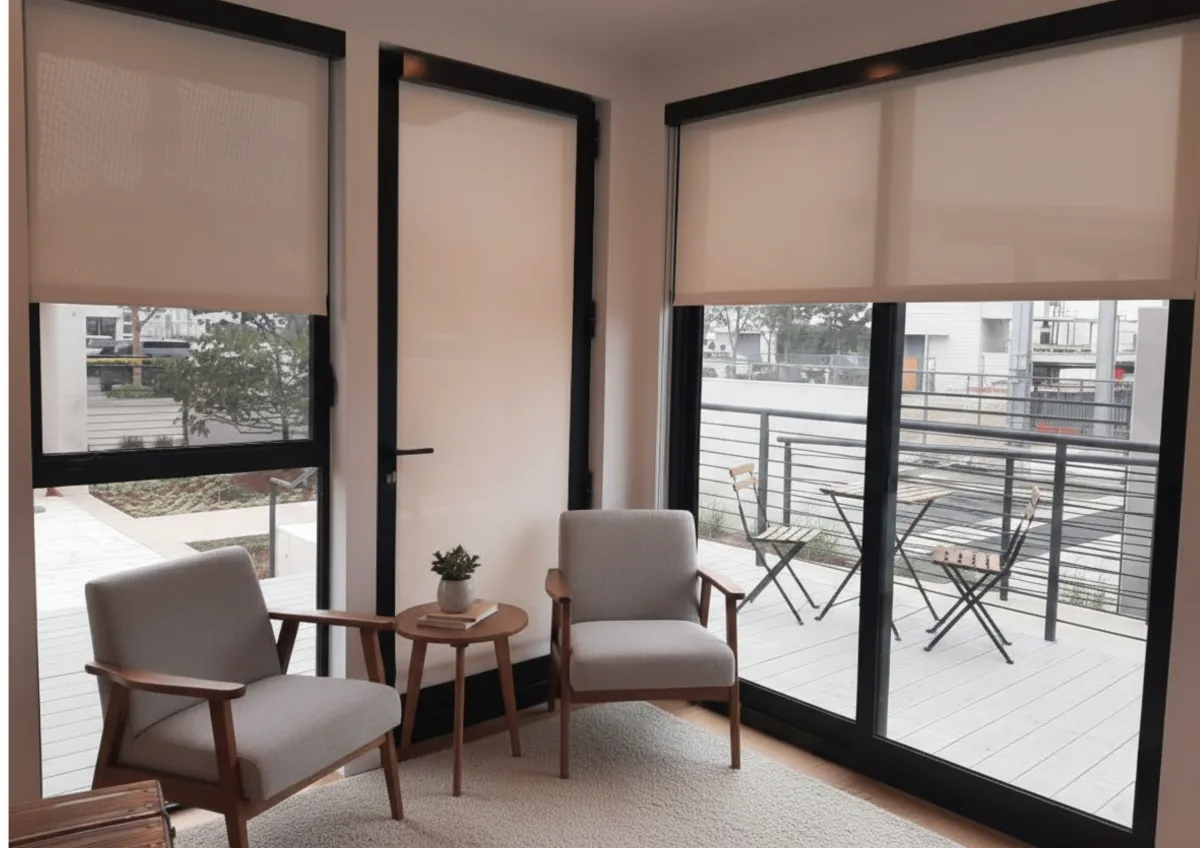
How Designers Balance Function and Beauty in Window Styling
Window styling is so much more than choosing a fabric you love; it’s about creating a visual experience that feels intentional, comfortable, and uniquely yours. For interior designers, the challenge (and magic) lies in blending practical functionality with elevated design, ensuring that window treatments work beautifully and look stunning.
Let’s explore how professionals strike this balance every time:
1. Function First, Always
Before diving into color swatches and textures, designers assess the room’s needs. Is privacy a concern? Is the space flooded with sunlight in the afternoons? Does it get drafty in the evenings?
The right window treatment must solve real problems, blocking glare, insulating the room, controlling natural light, or ensuring privacy. For example:
Blackout shades might be non-negotiable in a nursery.
Solar shades could be the hero in a sun-drenched kitchen.
Layered treatments offer both daytime filtering and nighttime coverage in a primary bedroom.
By prioritizing purpose, designers ensure the finished product enhances daily life, not just the décor.
2. Style with Intention
Once the functional elements are set, the fun begins. Designers elevate the space by carefully selecting materials, patterns, and finishes that reflect the homeowner’s personality and the overall style of the room.
Think:
Luxurious linen drapes in soft neutrals for a coastal retreat.
Bold velvets for dramatic flair in a formal living room.
Crisp Roman shades in playful prints for a child’s room.
They also consider how treatments look from outside the home, ensuring consistency and curb appeal.
3. Smart Layering for Flexibility
Combining two or more treatments allows for greater control both visually and functionally. A classic example is pairing sheer curtains with heavier drapery panels. This combination lets in soft light during the day and provides privacy or darkness when needed.
Another popular solution? Motorized shades that respond to the time of day or a remote touch bring sleek, modern convenience without sacrificing design.
4. Custom Tailoring Matters
Off-the-shelf solutions rarely offer the polish and precision of custom window treatments. Designers lean on custom craftsmanship to ensure every panel hangs just right, every pleat falls cleanly, and every mount is seamless. Custom pieces aren’t just about beauty; they fit better, function better, and last longer.
Final Thoughts
Balancing function and beauty in window styling isn’t a compromise; it’s a collaboration. When done right, your window treatments won’t just solve practical problems; they’ll become an integral part of your home’s story.
Ready to elevate your space? Let’s design something that feels as good as it looks.
Until next time,
Grace

How Designers Balance Function and Beauty in Window Styling
Window styling is so much more than choosing a fabric you love; it’s about creating a visual experience that feels intentional, comfortable, and uniquely yours. For interior designers, the challenge (and magic) lies in blending practical functionality with elevated design, ensuring that window treatments work beautifully and look stunning.
Let’s explore how professionals strike this balance every time:
1. Function First, Always
Before diving into color swatches and textures, designers assess the room’s needs. Is privacy a concern? Is the space flooded with sunlight in the afternoons? Does it get drafty in the evenings?
The right window treatment must solve real problems, blocking glare, insulating the room, controlling natural light, or ensuring privacy. For example:
Blackout shades might be non-negotiable in a nursery.
Solar shades could be the hero in a sun-drenched kitchen.
Layered treatments offer both daytime filtering and nighttime coverage in a primary bedroom.
By prioritizing purpose, designers ensure the finished product enhances daily life, not just the décor.
2. Style with Intention
Once the functional elements are set, the fun begins. Designers elevate the space by carefully selecting materials, patterns, and finishes that reflect the homeowner’s personality and the overall style of the room.
Think:
Luxurious linen drapes in soft neutrals for a coastal retreat.
Bold velvets for dramatic flair in a formal living room.
Crisp Roman shades in playful prints for a child’s room.
They also consider how treatments look from outside the home, ensuring consistency and curb appeal.
3. Smart Layering for Flexibility
Combining two or more treatments allows for greater control both visually and functionally. A classic example is pairing sheer curtains with heavier drapery panels. This combination lets in soft light during the day and provides privacy or darkness when needed.
Another popular solution? Motorized shades that respond to the time of day or a remote touch bring sleek, modern convenience without sacrificing design.
4. Custom Tailoring Matters
Off-the-shelf solutions rarely offer the polish and precision of custom window treatments. Designers lean on custom craftsmanship to ensure every panel hangs just right, every pleat falls cleanly, and every mount is seamless. Custom pieces aren’t just about beauty; they fit better, function better, and last longer.
Final Thoughts
Balancing function and beauty in window styling isn’t a compromise; it’s a collaboration. When done right, your window treatments won’t just solve practical problems; they’ll become an integral part of your home’s story.
Ready to elevate your space? Let’s design something that feels as good as it looks.
Until next time,
Grace